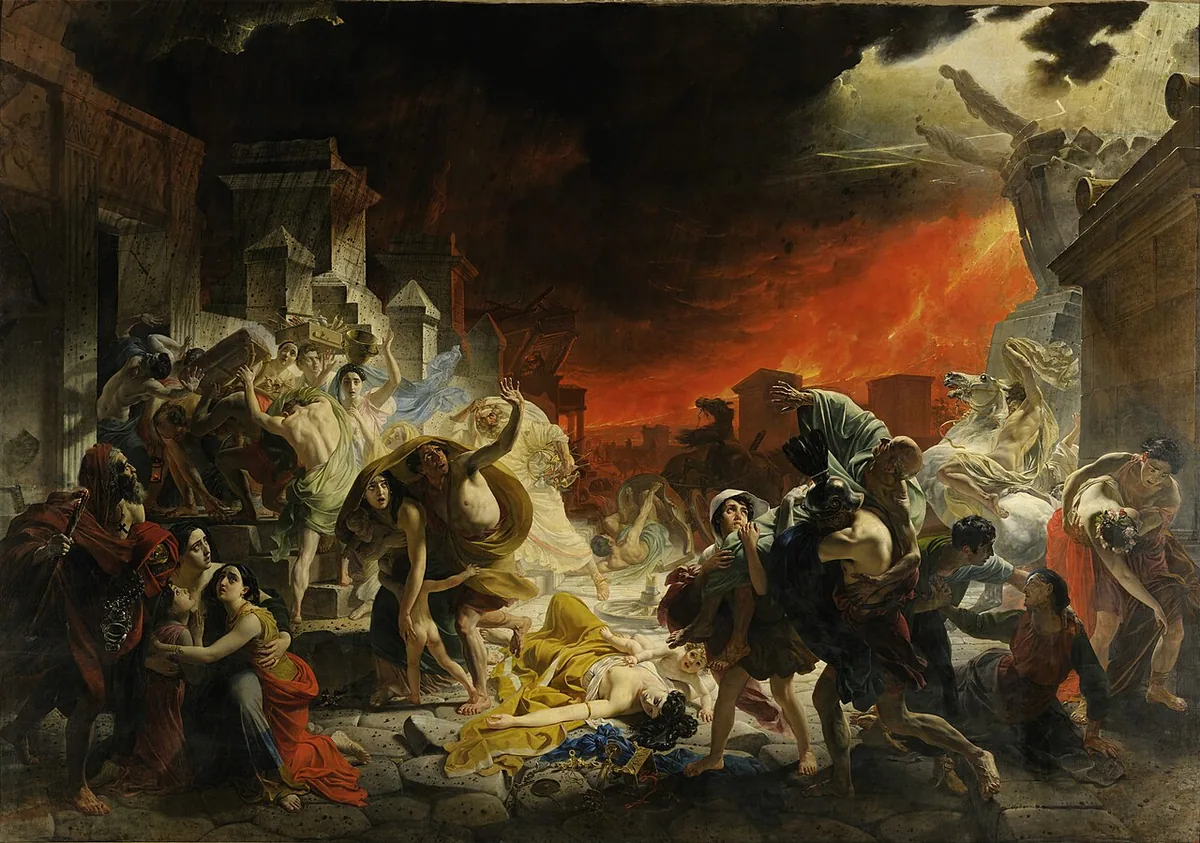
The Last Day of Pompeii
Match for you
Rate 5 more paintings to see how well this one matches your taste.
Where to see it
Russian Museum, Saint Petersburg
About the painting
The Last Day of Pompeii is a large history painting by Karl Bryullov produced in 1830–1833 on the subject of the eruption of Mount Vesuvius in AD 79. It is notable for its positioning between Neoclassicism, the predominant style in Russia at the time, and Romanticism as increasingly practised in France.
Read more
The painting was received to near universal acclaim and made Bryullov the first Russian painter to have an international reputation. In Russia, it was seen as proving that Russian art was as good as art practised in the rest of Europe. It inspired Edward Bulwer-Lytton's world-famous novel The Last Days of Pompeii. Critics in France and Russia both noted, however, that the perfection of the classically modelled bodies seemed to be out of keeping with their desperate plight and the overall theme of the painting, which was a Romantic one of the sublime power of nature to destroy man's creations.
Source: Wikipedia · CC BY-SA 4.0
Similar works
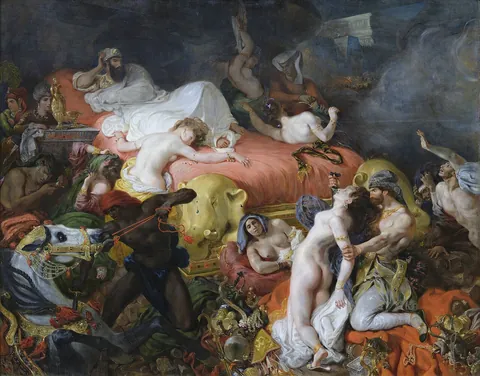 The Death of Sardanapalus
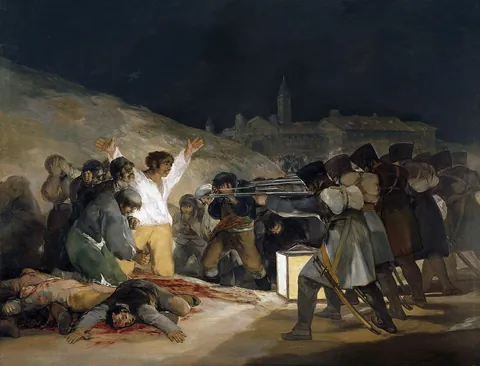 The Third of May 1808
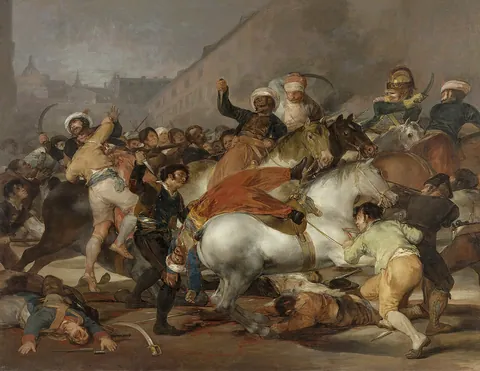 The Second of May 1808
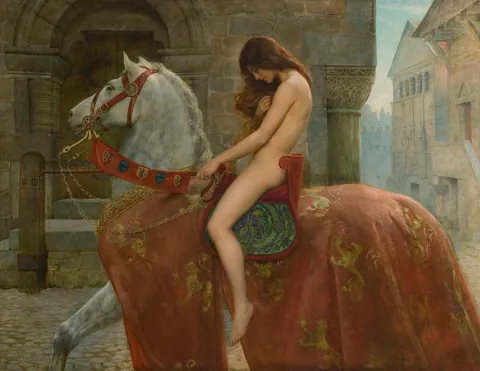 Lady Godiva
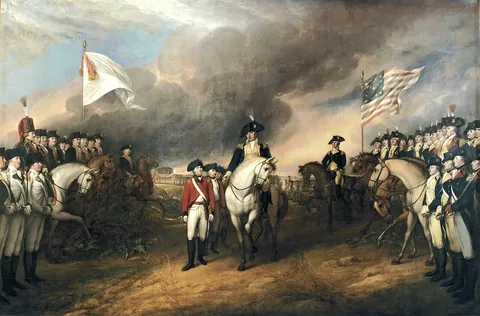 Surrender of Lord Cornwallis
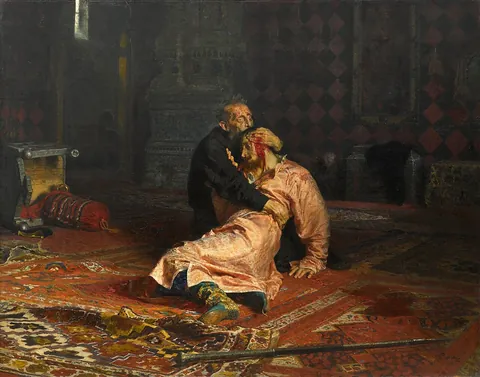 Ivan the Terrible and His Son Ivan
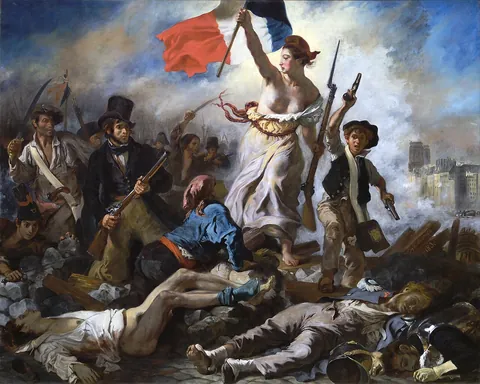 Liberty Leading the People
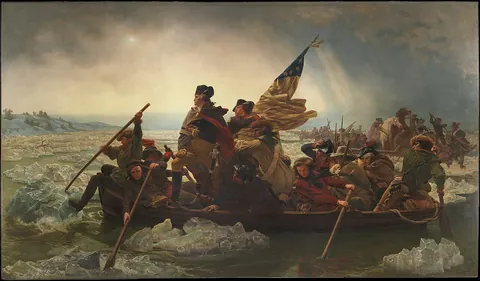 Washington Crossing the Delaware
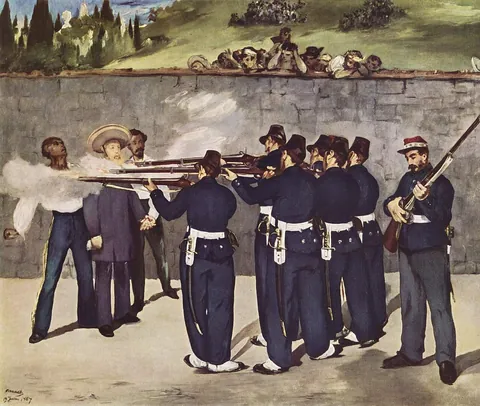 The Execution of Emperor Maximilian
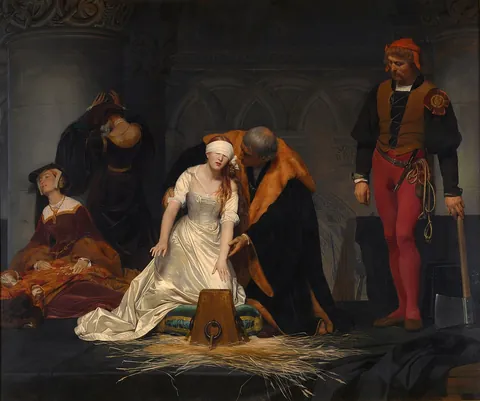 The Execution of Lady Jane Grey
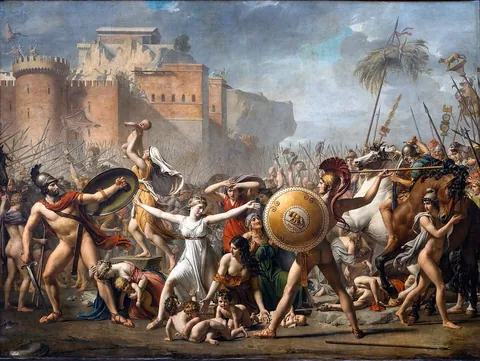 The Intervention of the Sabine Women
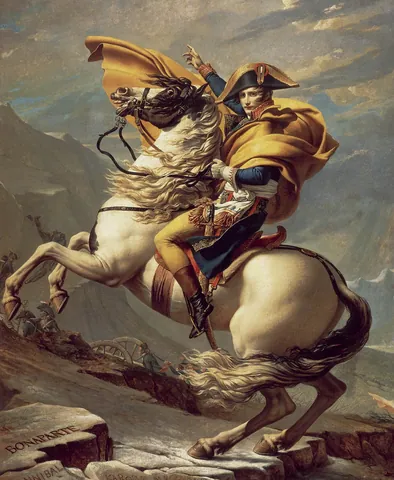 Napoleon Crossing the Alps
Image: Karl Bryullov; Wikimedia Commons · public domain