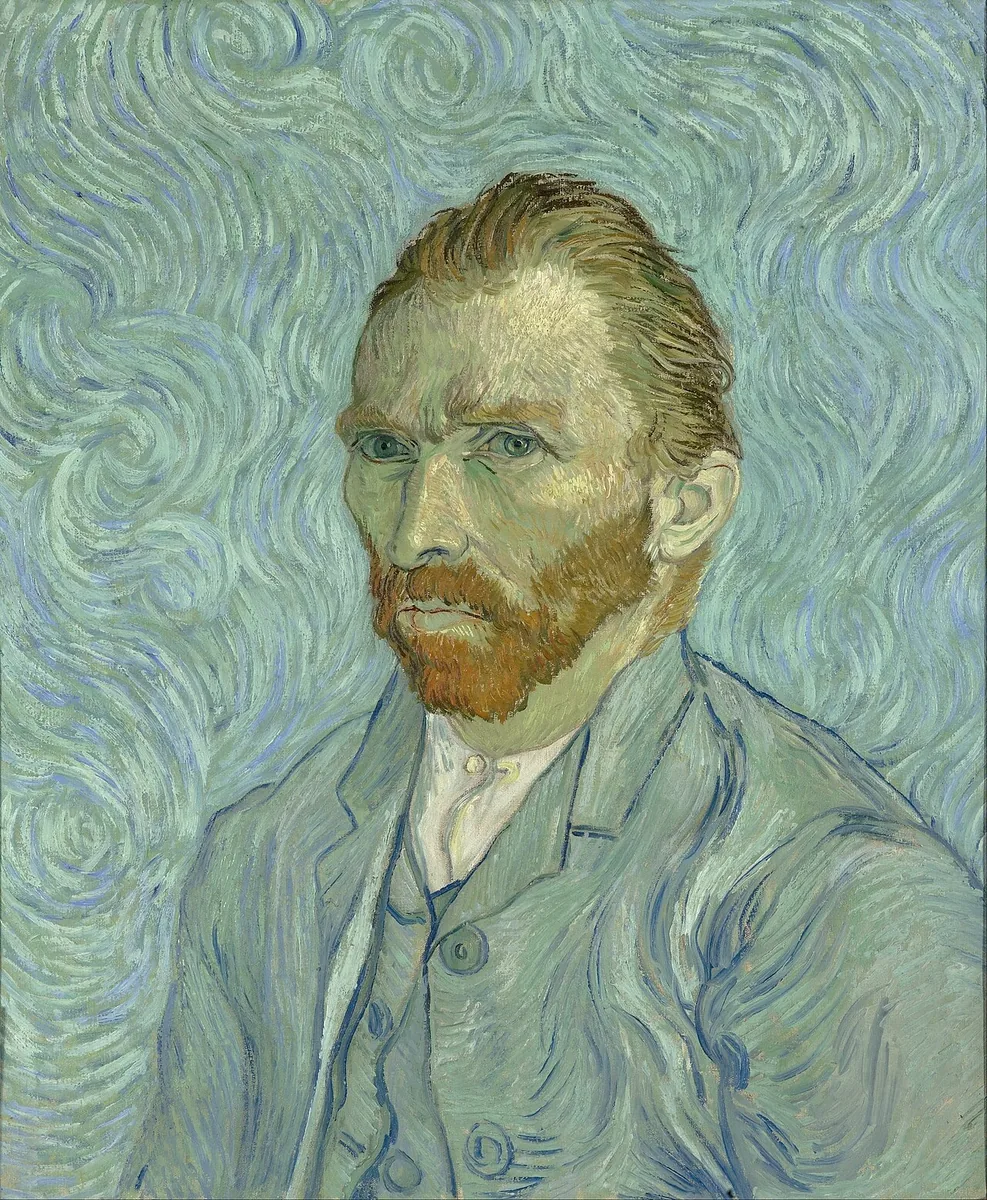
Self-portrait
Sizinlə uyğunluq
Daha 5 rəsmi qiymətləndirin - bu əsərin zövqünüzə nə qədər uyğun olduğunu görəcəksiniz.
Harada baxmaq olar
Orse muzeyi, Paris
Rəsm haqqında
Azərbaycan dilində təsvir hələ yoxdur - ingilis dilində göstəririk.
The Dutch Post-Impressionist painter Vincent van Gogh painted a self-portrait in oil on canvas in September 1889. The work, which may have been his last self-portrait, was painted shortly before he left Saint-Rémy-de-Provence in southern France. It is now in the collection of the Musée d'Orsay in Paris.
Tam oxu
This self-portrait was one of about 32 produced by van Gogh over a 10-year period, and these were an important part of his work as a painter; he painted himself because he often lacked the money to pay for models. He took the painting with him to Auvers-sur-Oise, near Paris, where he showed it to Dr. Paul Gachet, who, according to van Gogh, was "absolutely fanatical" about it.
Art historians are divided as to whether this painting or the self-portrait without a beard in a private collection is van Gogh's final self-portrait. The art historians Ingo F. Walther and Jan Hulsker consider this to be the last, with Hulsker believing that it was painted in Arles following van Gogh's admission to hospital after mutilating his ear, whereas Ronald Pickvance considers the self-portrait without a beard to be the later painting.
Van Gogh sent the picture to his younger brother, the art dealer Theo; an accompanying letter read, "You will need to study [the picture] for a time. I hope you will notice that my facial expressions have become much calmer, although my eyes have the same insecure look as before, or so it appears to me."
Walther and Rainer Metzger consider that "the picture is not a pretty pose nor a realistic record ... [it is] one that has seen too much jeopardy, too much turmoil, to be able to keep its agitation and trembling under control". According to Sister Wendy Beckett the dissolving colours and turbulent patterns signal a feeling of strain and pressure, symbolising the artist's state of mind, which is under a mental, physical and emotional pressure.
The Musée d'Orsay notes that "the model's immobility contrasts with the undulating hair and beard, echoed and amplified in the hallucinatory arabesques of the background".
Mənbə: Vikipediya · CC BY-SA 4.0
Oxşar əsərlər
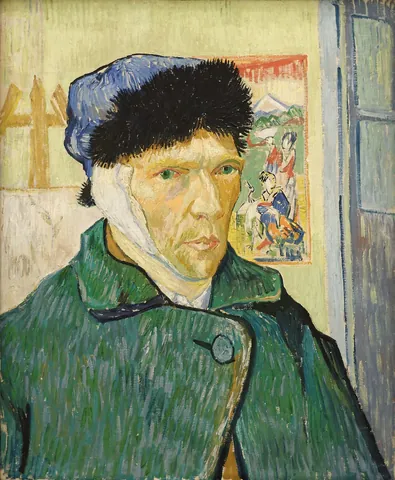 Self-Portrait with Bandaged Ear
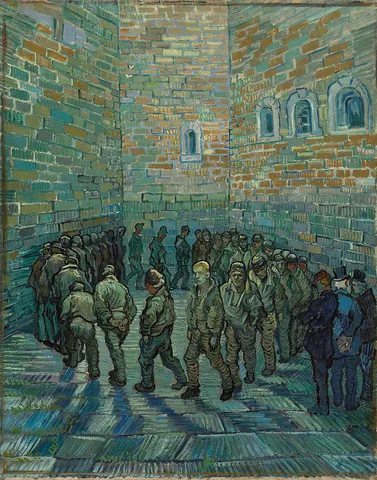 Məhbusların gəzintisi
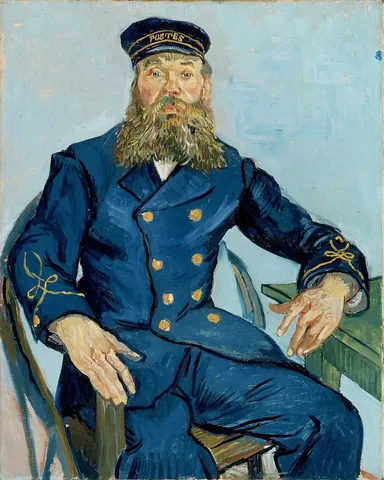 The Roulin Family
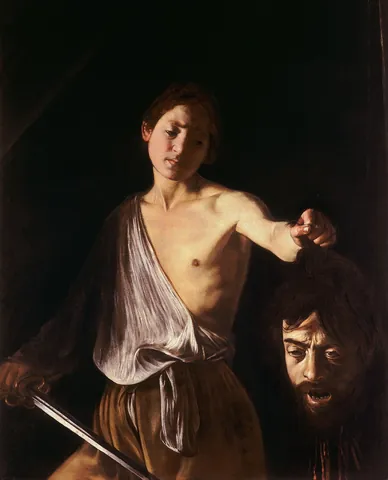 David with the Head of Goliath
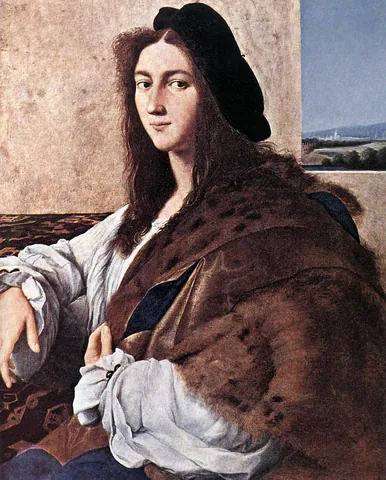 Cavan oğlan portreti
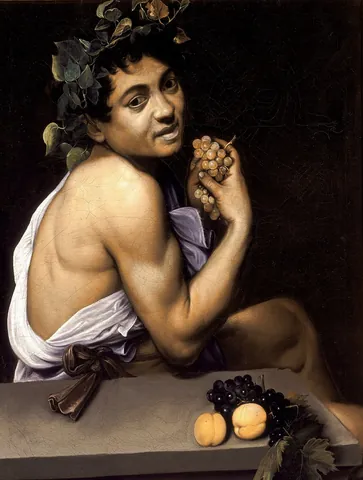 Balaca, xəstə Vakx
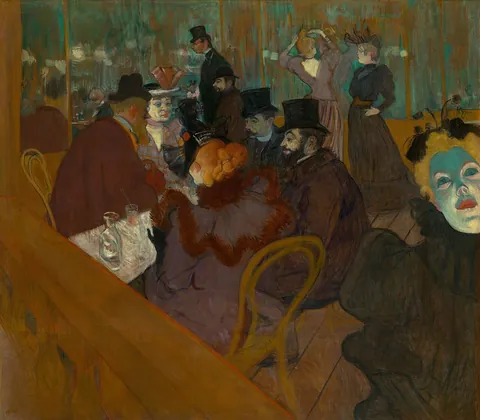 At the Moulin Rouge
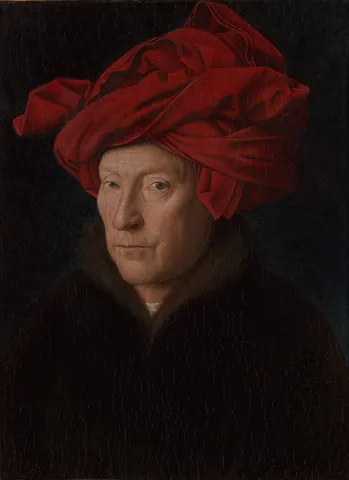 Portrait of a Man
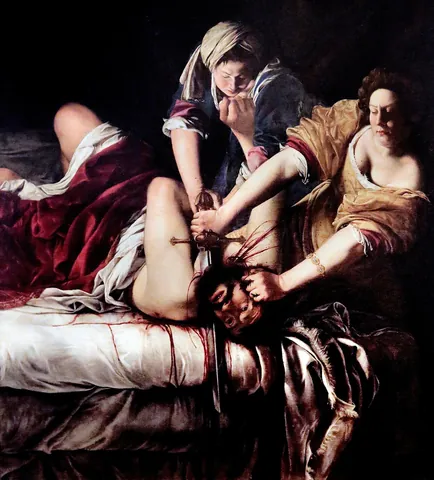 Judith Slaying Holofernes (Uffizi qalereyası)
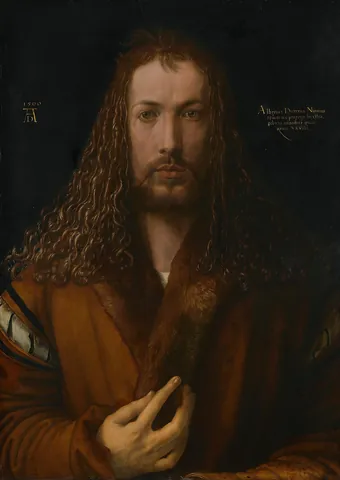 Self-Portrait (Bavarian State Painting Collections)
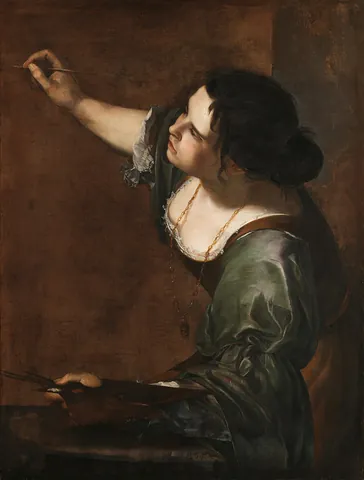 Self-Portrait as the Allegory of Painting
 Rəssam emalatxanası
Şəkil: Vincent van Gogh; Wikimedia Commons · ictimai mülkiyyət