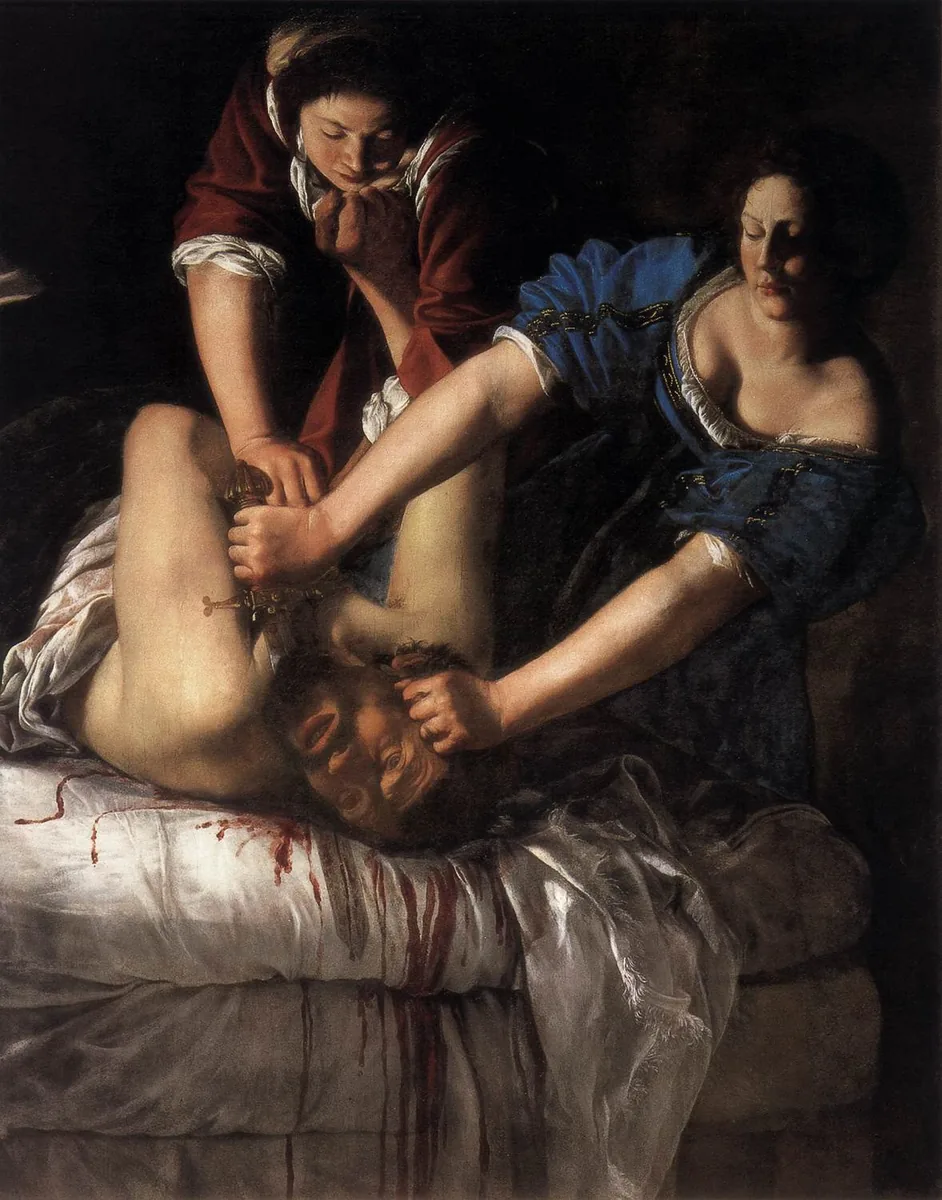
Judith Slaying Holofernes
Sizinlə uyğunluq
Daha 5 rəsmi qiymətləndirin - bu əsərin zövqünüzə nə qədər uyğun olduğunu görəcəksiniz.
Harada baxmaq olar
Museo di Capodimonte, Neapol
Rəsm haqqında
Azərbaycan dilində təsvir hələ yoxdur - ingilis dilində göstəririk.
Judith Slaying Holofernes is a painting by the Italian early Baroque artist Artemisia Gentileschi, completed in 1612–13 and now at the Museo Capodimonte, Naples, Italy.
Tam oxu
The picture is considered one of her iconic works. The canvas shows Judith beheading Holofernes. The subject takes an episode from the deuterocanonical Book of Judith in the Old Testament, which recounts the assassination of the Assyrian general Holofernes by the Israelite heroine Judith. The painting shows the moment when Judith, helped by her maidservant Abra, beheads the general after he has fallen asleep in a drunken stupor. The composition places Judith on the right side of the canvas, actively restraining Holofernes while performing the beheading, while Abra assists from behind by holding the figure in place. The scene is tightly structured and emphasizes physical immediacy through close spatial framing. Gentileschi employs strong chiaroscuro, with dramatic contrasts between light and shadow that highlight the figures and intensify the sense of action. The lighting draws attention to the movement and effort involved in the scene, while the surrounding darkness focuses attention on the central figures and the violent act being depicted. She painted a second version (now in the Uffizi, Florence) somewhere between 1613 and 1621.
Early feminist critics interpreted the painting as a form of visual revenge following Gentileschi's rape by Agostino Tassi in 1611; similarly many other art historians see the painting in the context of her achievement in portraying strong women.
Mənbə: Vikipediya · CC BY-SA 4.0
Oxşar əsərlər
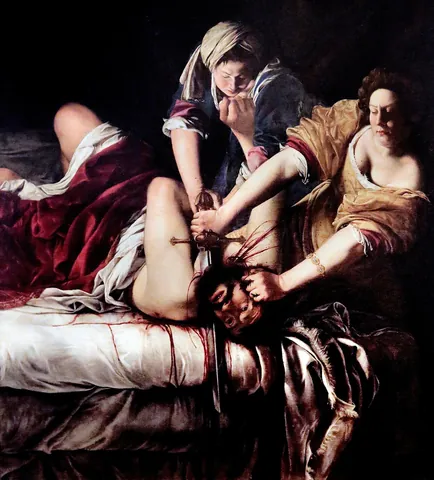 Judith Slaying Holofernes (Uffizi qalereyası)
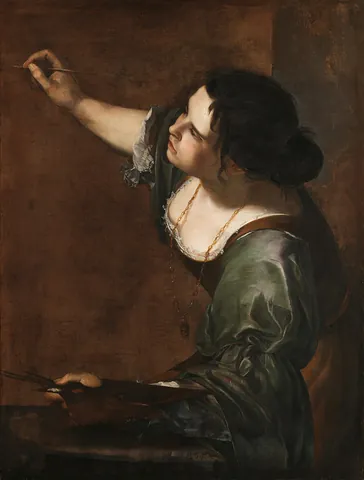 Self-Portrait as the Allegory of Painting
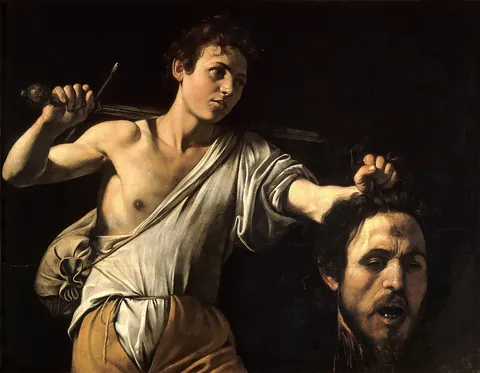 David with the Head of Goliath (Kunsthistorisches Museum)
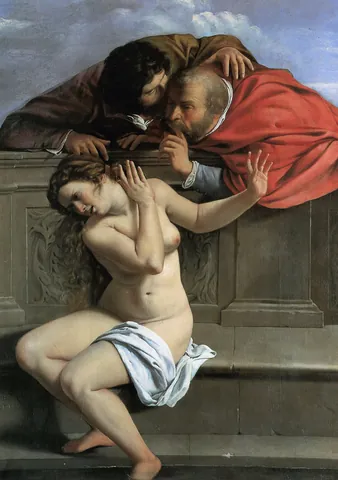 Susanna and the Elders
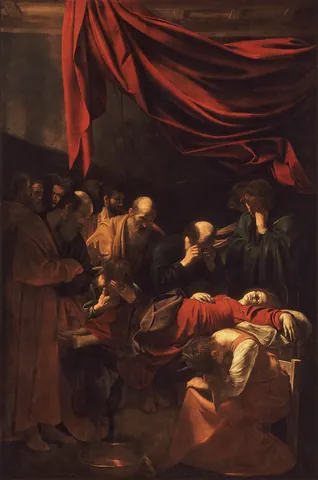 Bakirənin ölümü
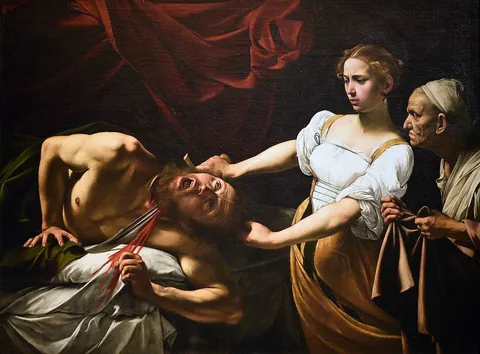 Judith Beheading Holofernes
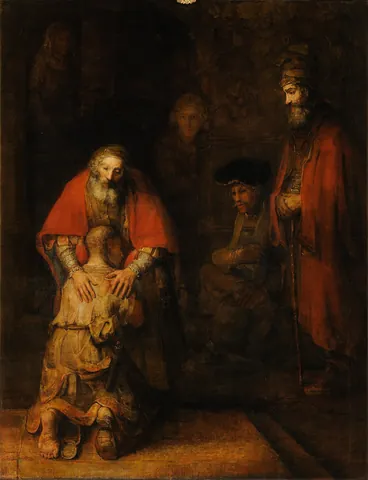 Sərsəri oğulun qayıdışı
 The Body of the Dead Christ in the Tomb
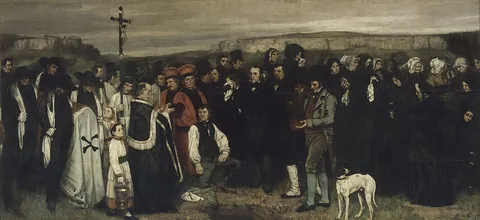 Ornanda dəfn
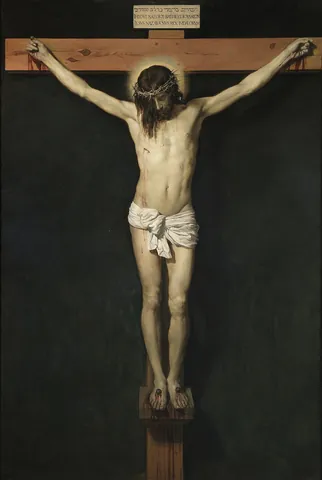 Christ Crucified
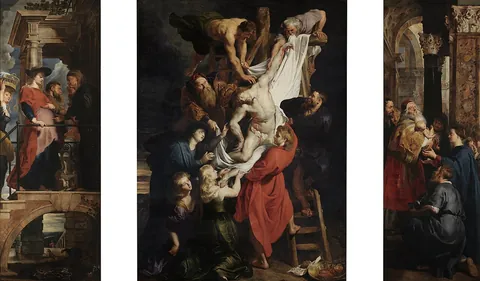 The Descent from the Cross (Müqəddəs Məryəm kafedralı (Antverpen))
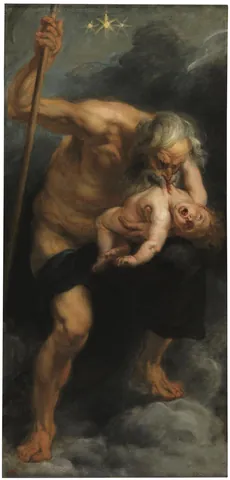 Saturn
Şəkil: Artemisia Gentileschi; Wikimedia Commons · ictimai mülkiyyət